
National Archaeological Museum
From Nuragic Sardinia to the ancient Mediterranean
Beyond Cagliari
A Bronze Age village in the Marmilla
Plan the outing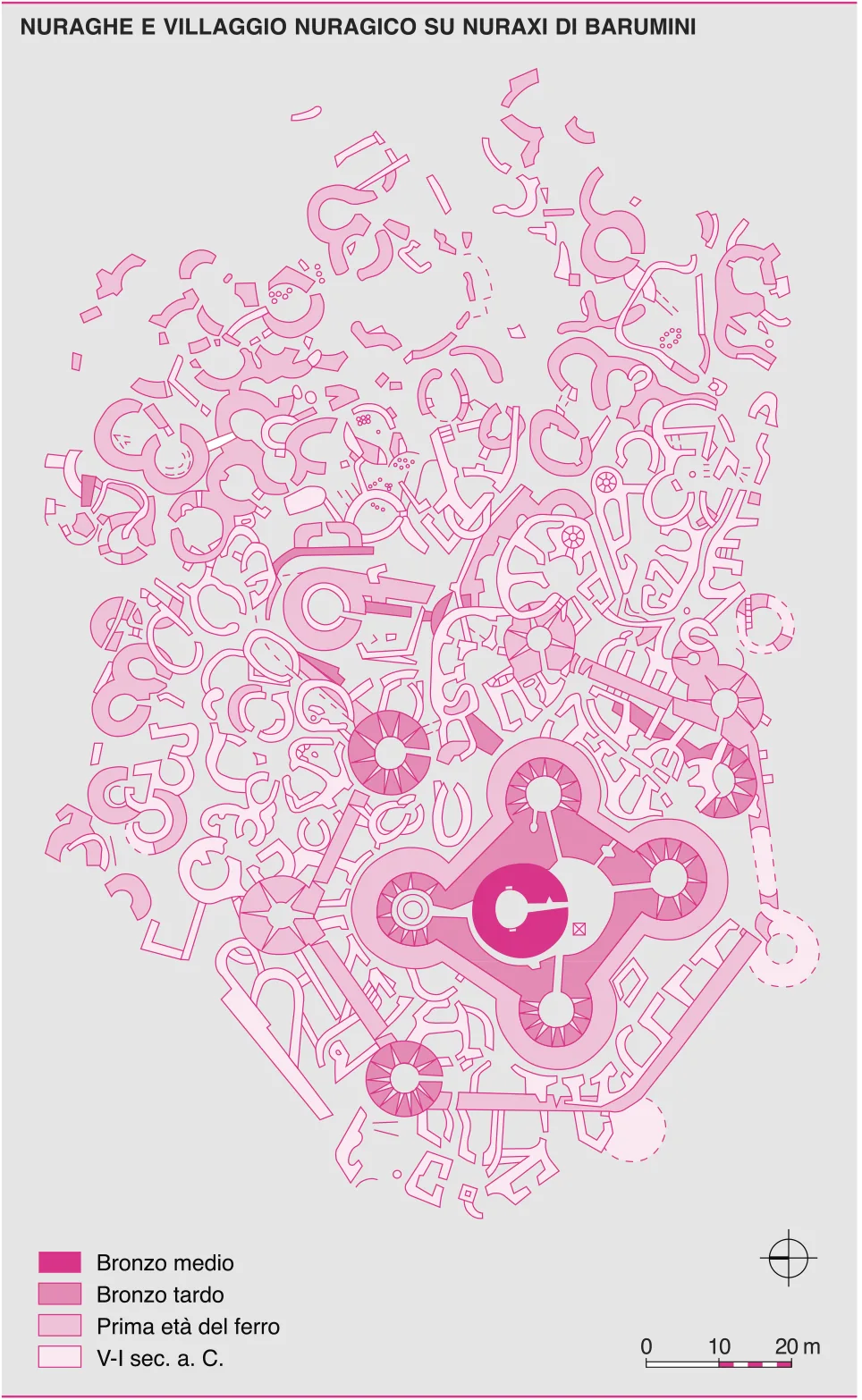
Start with the dark pink circle low in the plan. It marks the central tower. Around it are four more towers and the defensive walls. The smaller outlines spreading beyond the fortifications show the village.
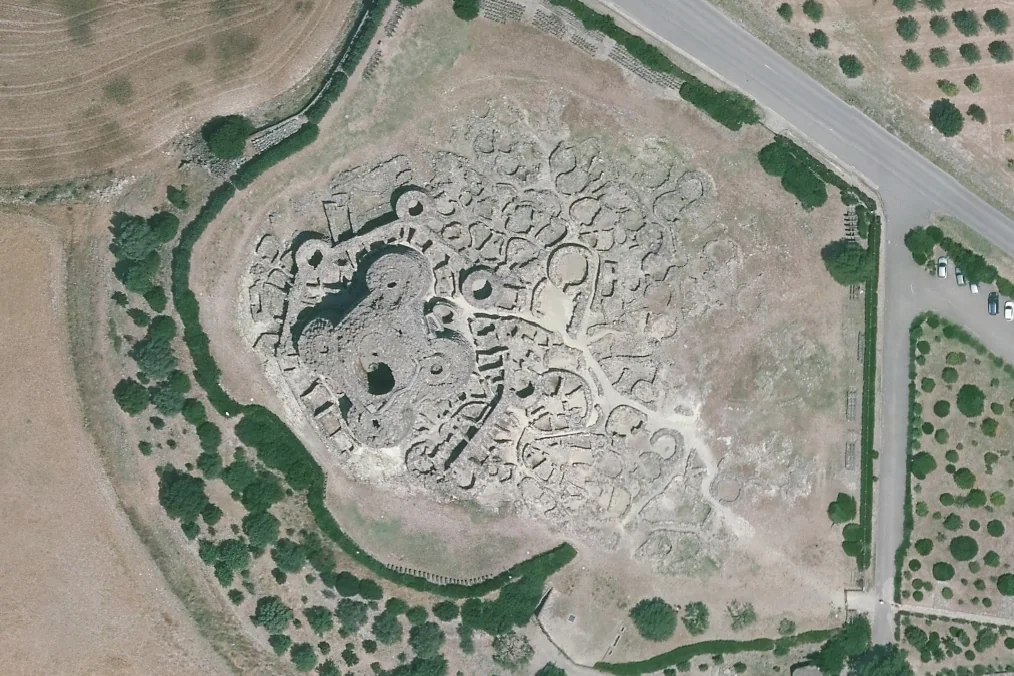
From a distance Su Nuraxi looks like a low hill built of stone. Up close you can see the separate shapes of the defensive walls, the central tower and the rings of houses that grew around them.
The huge blocks of basalt mark the central tower, which once rose to nearly 19 metres. Around it, successive walls, towers and dwellings show how the settlement changed after its beginnings in the Bronze Age. Giovanni Lilliu’s excavations in the 1950s brought that complicated plan back into view. The guided visit helps distinguish the parts. From outside, most of the settlement reads simply as one mass of dark stone.
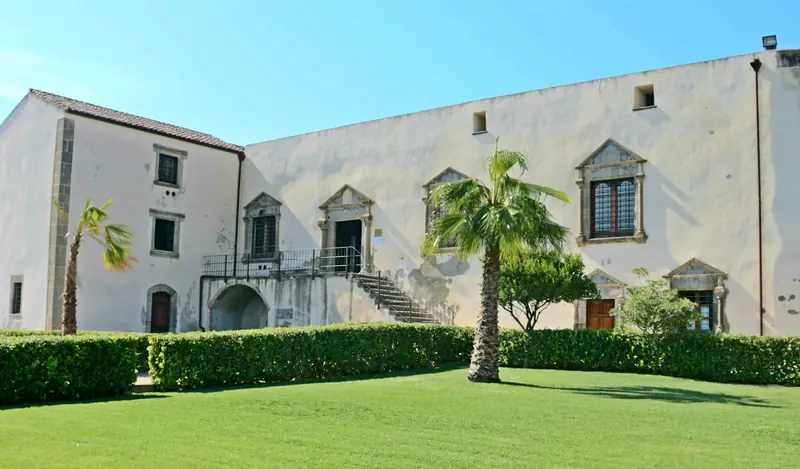
Casa Zapata in the village adds a startling second perspective. Beneath the residence of an Aragonese noble family lie the walls of another nuraghe, Nuraxi ’e Cresia. Glass and raised walkways let you see the older building under the floor. The museum also has a section on launeddas, the Sardinian reed instrument.
See Su Nuraxi first if you are coming for the archaeology, and decide whether to continue to Casa Zapata. The Giovanni Lilliu Centre is another option if you have time for its current exhibitions. Check the operating schedule before driving from Cagliari, especially in poor weather or if you need a specific tour language.
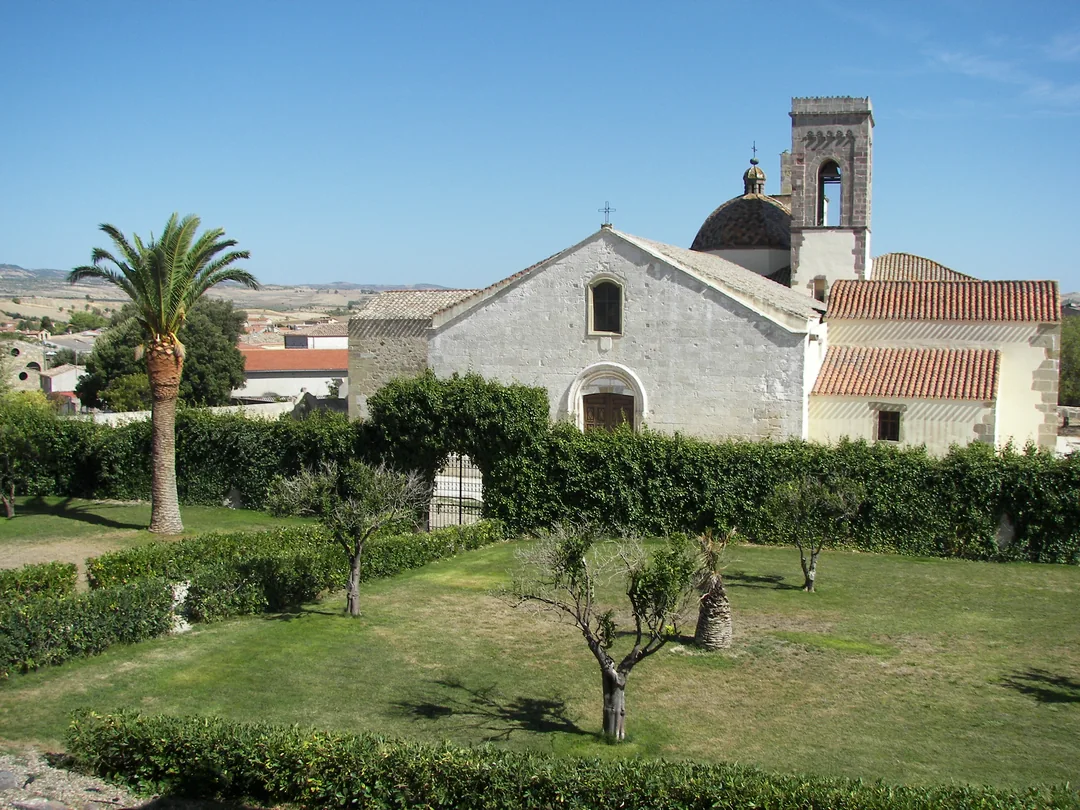
From Nuragic Sardinia to the ancient Mediterranean
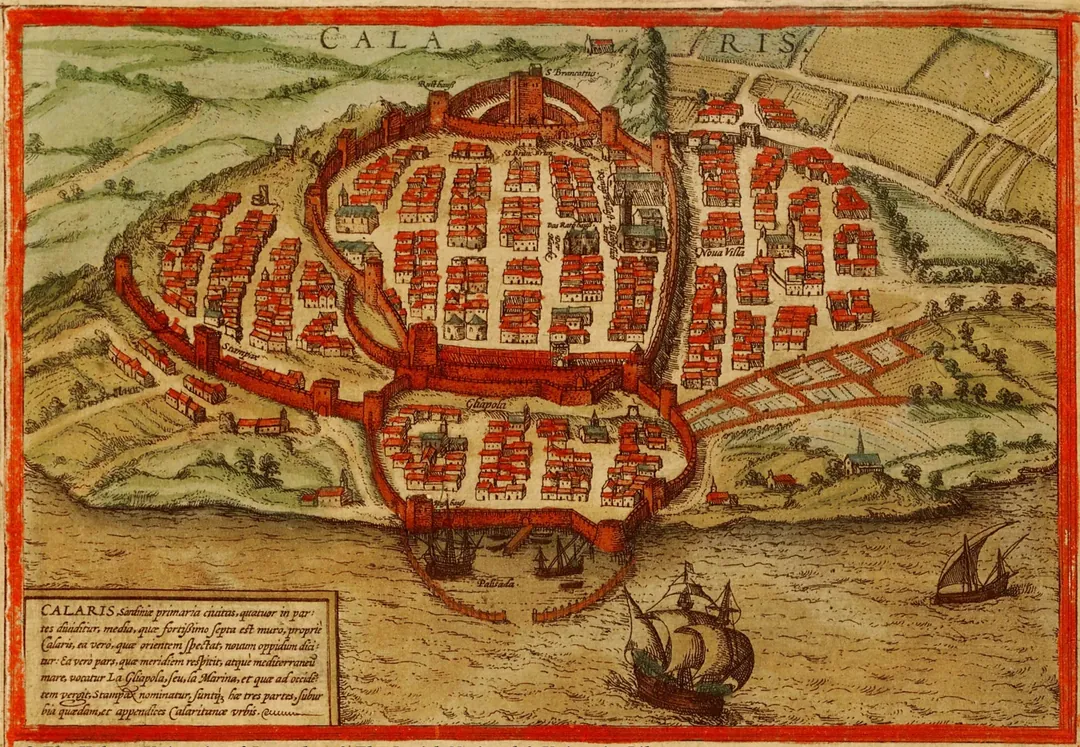
From the Punic tombs of Tuvixeddu to Castello and the modern waterfront, follow the history of Cagliari through the places where you can still see it.

Painted walls and stones that sing